
The historical journey of gambling An exploration through time
Origins of Gambling
The history of gambling dates back thousands of years, with its roots deeply embedded in ancient civilizations. Archaeological evidence suggests that the earliest forms of gambling can be traced to China around 2300 BC, where rudimentary games involving dice were played. These early activities were not only a source of entertainment but also served various social and religious purposes, often intertwined with the community’s belief systems. For more insights on contemporary options, visit https://sistersitescasino.co.uk/casinos/aphrodite-casino/ to discover exciting gaming opportunities.

Similarly, ancient Egyptians engaged in betting games, using knuckle bones and other materials to create forms of chance. The Greeks and Romans further popularized gambling, with the latter even establishing public games and betting venues, which became social hotspots for citizens. These ancient practices laid the foundation for modern gambling activities, showcasing that the allure of chance has always captivated human nature.
As societies evolved, so did the methods and types of gambling. The invention of playing cards in the 9th century in China opened a new chapter, leading to the development of various card games that traveled through trade routes to Europe. By the late Middle Ages, gambling had blossomed into organized activities, setting the stage for future developments in betting culture.
The Rise of Legalized Gambling
The 17th century marked a significant turning point in the history of gambling, particularly in Europe. This period saw the emergence of state-sanctioned gambling operations, as governments began to recognize the potential revenue from lotteries and regulated gaming establishments. One of the earliest examples is the establishment of the first official lottery in England in 1569, aimed at funding public projects.
By the 18th century, gambling had become a staple of urban life, particularly in cities like Paris and London, where opulent casinos attracted the elite. The legalization of gambling was seen not only as a means to generate income but also as a way to regulate what was previously an underground activity. This shift demonstrated a growing acceptance of gambling in society, paving the way for future legislative frameworks governing the industry.
In the United States, the legalization of gambling began in the 19th century with the introduction of state lotteries. These lotteries were initially created to support public services and infrastructure projects. The Gold Rush further fueled gambling’s popularity, with gambling halls and saloons becoming common in boomtowns, illustrating how gambling adapted to the cultural and economic shifts of the times.
Gambling in the 20th Century
The 20th century brought about revolutionary changes in the gambling landscape, particularly with the rise of Las Vegas as a gambling capital. In the 1930s, Nevada legalized casino gambling to boost its economy, leading to a transformation of Las Vegas into a vibrant entertainment hub. This era heralded the birth of the modern casino experience, complete with luxurious hotels, elaborate shows, and a myriad of gambling options.
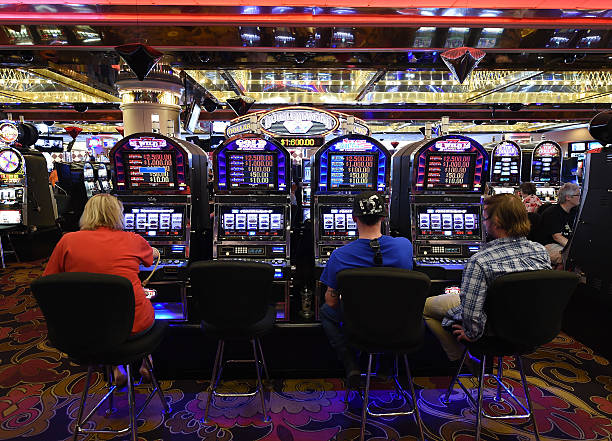
Simultaneously, the introduction of slot machines and other gaming innovations changed how people interacted with gambling. These new machines offered a simple yet engaging way to gamble, appealing to a broader audience and making gambling accessible to those who might not have been inclined to visit a casino. This expansion of gambling options contributed to a significant cultural shift, with gambling becoming more mainstream.
Moreover, the latter half of the century saw the rise of online gambling, sparked by the advancement of the internet in the 1990s. Online casinos began to emerge, allowing players to enjoy their favorite games from the comfort of their homes. This digital revolution not only broadened the scope of gambling but also introduced new challenges in regulation and responsible gaming practices, shaping how the industry would evolve in the decades to come.
Modern Gambling Practices
Today, gambling encompasses a vast array of activities, from traditional casinos to online platforms and sports betting. The digital age has led to an explosion of online gambling options, where players can engage in various games with just a few clicks. The convenience and accessibility of these platforms have attracted millions of new participants, fundamentally altering the gambling demographic.
Furthermore, the rise of mobile gambling applications has allowed for even greater flexibility, enabling users to gamble anytime and anywhere. This shift has prompted operators to focus on enhancing user experience, often incorporating innovative features like live dealer games and virtual reality experiences to attract and retain players. The modern gambling landscape is thus characterized by rapid technological advancements and changing consumer preferences.
Regulatory frameworks have also evolved, with many jurisdictions implementing stricter measures to promote responsible gambling and protect consumers. This focus on regulation aims to mitigate the risks associated with gambling addiction while ensuring that the industry operates fairly. As gambling continues to adapt to societal changes, it remains a complex interplay of entertainment, culture, and regulation in the modern world.
Exploring Online Casino Resources
For those interested in navigating the ever-evolving gambling landscape, various resources are available to enhance your experience. Websites dedicated to reviewing and comparing online casinos provide valuable insights into the latest promotions, game offerings, and user experiences. These platforms serve as essential tools for both novice and seasoned gamblers, helping them make informed decisions about where to play.
Many of these resources also emphasize responsible gambling practices, offering guidance on how to enjoy gaming activities without falling into problematic behaviors. Understanding the importance of setting limits and recognizing the signs of addiction is vital for anyone engaging in gambling. As the industry continues to grow, such educational initiatives will be crucial in ensuring a safe and enjoyable environment for all players.
As you explore online casinos, look for platforms that prioritize transparency and user experience. Whether you are looking for specific games, lucrative bonuses, or particular gaming environments, dedicated online casino resources can guide you toward finding your ideal gaming destination. Engaging with these tools not only enhances your gambling experience but also ensures that you remain informed and responsible in your gaming pursuits.