
Myths and facts about gambling debunking common misconceptions
Understanding Gambling: A Complex Landscape
Many individuals hold misconceptions about gambling, often viewing it solely as a form of entertainment or a quick way to make money. In reality, gambling encompasses a wide variety of activities, each with its own rules, strategies, and odds. Understanding the nuances of these activities can help dispel myths and promote a more informed perspective. For example, not all games are purely based on chance; many involve skill and strategy that can influence outcomes. With the rise of technology, engaging in an online casino has become increasingly popular, showcasing a different aspect of this complex landscape.
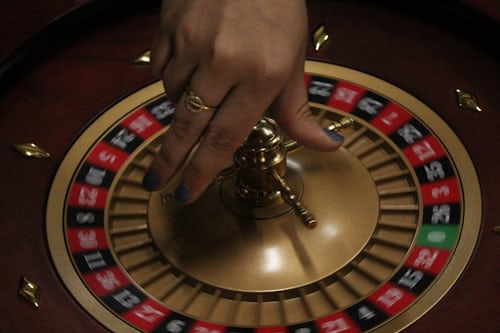
The impact of technology has also transformed the gambling landscape, with online platforms making it accessible to a broader audience. This shift has changed the way people perceive gambling, often blurring the lines between casual play and addiction. By recognizing these complexities, individuals can develop a more balanced view of gambling.
Gambling Addiction: Myths vs. Reality
A prevalent myth surrounding gambling is that it primarily affects a specific demographic, such as men or older individuals. In truth, gambling addiction can affect anyone, regardless of age, gender, or socioeconomic status. Understanding the signs of gambling addiction is crucial for early intervention and support. Many individuals may not even realize they have a problem until it severely impacts their lives.
Furthermore, the notion that gambling addiction is solely a result of poor decision-making is misleading. Research shows that psychological factors, genetic predispositions, and environmental influences all play a significant role in the development of gambling disorders. Acknowledging these elements can lead to more effective treatment and prevention strategies.
The Role of Luck in Gambling
Another common misconception is that luck is the only factor that determines success in gambling. While luck does play a part, particularly in games of chance, many gambling activities also involve significant strategy. Players can improve their odds by understanding the games they are playing, employing strategies, and managing their bankroll effectively. This is particularly true in games like poker, where skill often outweighs luck over time.
Moreover, the belief that certain players possess “lucky” traits can mislead others into thinking that they are inherently unlucky. This mindset can lead to negative experiences and feelings of failure. In reality, each gambling experience is independent, and understanding the mechanics behind the games can lead to a more positive and informed gambling experience.
The Myths of Gambling Systems and Strategies
Many gamblers are drawn to various betting systems, believing they can guarantee success. Common systems, such as the Martingale, promise that players can always recover losses with a winning bet after a losing streak. However, the reality is that no system can overcome the inherent house edge present in most gambling games. These systems often lead players to chase losses, which can create deeper financial problems.
The truth is that effective gambling strategies focus more on risk management and personal discipline rather than trying to beat the odds. By setting limits and sticking to them, players can enjoy gambling responsibly and avoid the pitfalls of believing in foolproof strategies that do not exist.

Community and Resources for Responsible Gambling
Websites like shesacrowd.com play an essential role in fostering a sense of community and providing valuable resources for individuals interested in discussing gambling-related topics. They serve as platforms for sharing experiences and insights, helping users navigate the complexities of gambling. By connecting individuals, these platforms empower users to make informed choices and engage in meaningful discussions around responsible gambling practices.
Engaging with such communities can enhance awareness and understanding of gambling myths and facts. By offering support and resources, websites contribute significantly to combating misconceptions, promoting responsible gambling, and encouraging healthy discussions among users. This collaborative environment is invaluable for anyone looking to explore the world of gambling more deeply and responsibly.