
The Role of Luck in Gambling
Luck plays an essential role in the world of gambling, especially within the vibrant and electrifying atmosphere of a casino. Unlike games that require skill and strategy, where players can leverage their knowledge to influence outcomes, many casino games hinge significantly on chance. This element of randomness not only determines the results but also adds a unique thrill to each gaming session. For example, in slot machines, the outcome is dictated by a random number generator, emphasizing that luck is the primary factor at play. In addition, many players enjoy engaging with various options like neosurf australia casino that enhance their gaming experience. This unpredictability is integral to the excitement of gambling, as players anticipate wins that can change their fortunes in moments.
Beyond the mechanics of the games, the psychological dimension of luck is equally fascinating. Many gamblers believe in the concept of luck as a tangible force that can be attracted or enhanced through various rituals, superstitions, or personal behaviors. Whether it’s wearing a favorite piece of clothing, carrying a lucky charm, or following a specific routine before placing bets, these beliefs shape a player’s mindset. This personal connection to luck transforms the casino experience, making it a blend of chance and individual psychology, which enhances the emotional stakes involved in gambling.
As players immerse themselves in the games, their beliefs about luck can significantly influence their decision-making processes. Those who feel lucky often take bolder risks, choosing to bet higher amounts or experiment with unfamiliar games. Conversely, individuals who perceive themselves as unlucky may play conservatively, opting for lower stakes or even exiting the casino early. Understanding how the perception of luck affects gambling behavior can enrich the overall casino experience, fostering a deeper connection between players and the environment around them.
The Impact of Luck on Casino Games
Each type of casino game incorporates luck in its own way, creating a diverse range of experiences that largely hinge on chance. Take roulette, for instance; the game exemplifies the essence of luck. No matter how meticulously a player studies the odds, the outcome of each spin remains unpredictable. As the ball dances across the wheel, the tension mounts, and when it finally settles, the thrill of luck can either lead to substantial gains or significant losses. This inherent unpredictability is a primary draw for many players, making it an exciting choice for those seeking the rush of gambling.
In contrast, games like blackjack and poker introduce a combination of skill and luck. While players can employ strategies based on their cards and the dealer’s actions, the initial hands dealt are purely a matter of chance. For instance, in blackjack, players may make informed decisions based on table dynamics, yet their success is still influenced by the cards they receive. Similarly, in poker, where skill and psychological tactics are crucial, the starting cards can dramatically affect players’ chances of success. Thus, even in games that appear skill-based, luck remains a vital element that can influence outcomes in unexpected manners.

Furthermore, the perception of luck can extend beyond individual games, affecting players’ overall experiences within the casino. Gamblers may find themselves on hot or cold streaks across various games, leading them to feel as though luck is momentarily favoring or abandoning them. This emotional journey creates an exhilarating atmosphere, where players experience the highs of winning and the lows of losing, all tied to the whims of chance. Ultimately, luck becomes a constant companion throughout the gambling experience, shaping the narrative of each visit to the casino.
The Social Dynamics of Luck in Casinos
Casinos are inherently social environments where the concept of luck can transcend individual experiences. When players gather around a table—whether playing blackjack, craps, or roulette—a communal atmosphere emerges, amplifying feelings of luck and excitement. Players cheering for one another’s wins or expressing sympathy during losses create shared bonds that enhance the thrill of the gambling experience. This social dynamic not only intensifies the joy of winning but also fosters camaraderie, leading to connections that can last beyond the casino floor.
Interestingly, the collective experience of luck can lead to phenomena such as “group think,” where players base their decisions not solely on personal luck but also on the perceived luck of others. For example, when a player hits a significant win, it can inspire those at the table to take greater risks, believing that the winning streak may be contagious. This social influence can greatly shape gambling behaviors, altering the overall experience in a casino and transforming it into a collective journey of fortune.
Moreover, casinos are designed to enhance perceptions of luck among patrons, employing colorful lights, engaging sounds, and inviting layouts to create a lively atmosphere. Promotions that highlight lucky moments or jackpots can reinforce the belief that fortune is within reach, encouraging players to continue betting. These elements work in tandem to cultivate a vibrant social environment where luck feels tangible, ultimately elevating the excitement of the casino experience and encouraging players to return in hopes of capturing their own lucky moment.
The Psychological Effects of Luck on Players
The psychology of luck significantly influences how players perceive their experiences in casinos. Cognitive biases often lead individuals to overestimate their ability to affect outcomes through luck. For instance, players tend to remember their wins more vividly than their losses, fostering an illusion of control over their fate. This selective memory can motivate them to continue gambling, fueled by the hope of replicating past successes, which often leads to a cycle of emotional highs and lows as they chase that elusive winning streak.
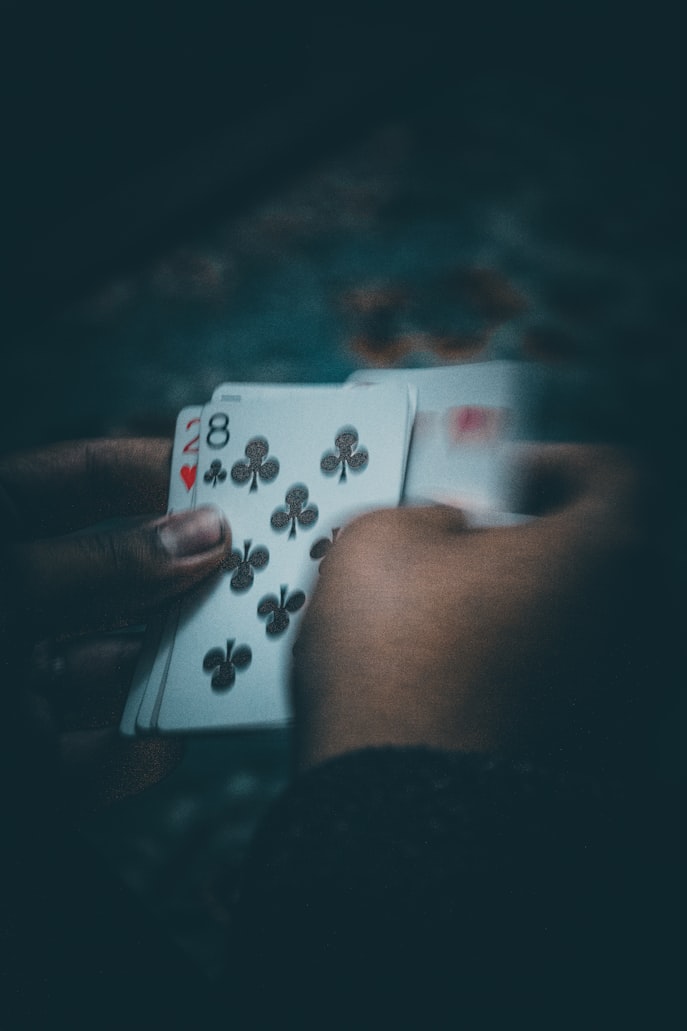
Additionally, the feeling of being lucky can lead to riskier behaviors that may not align with a player’s best interests. Winning can instill a sense of confidence, prompting players to increase their bets or extend their gaming sessions. Conversely, a series of losses can create feelings of desperation, leading players to chase their losses in an attempt to recover what they’ve lost. This psychological volatility illustrates how deeply luck can impact decision-making and risk assessment in the casino environment, shaping players’ experiences in profound ways.
Ultimately, understanding the psychological effects of luck can empower players to navigate their gambling experiences more effectively. By recognizing the influence of cognitive biases and emotional responses, players can make more informed decisions regarding when to play, how much to wager, and when to walk away. This awareness fosters a healthier relationship with gambling, ensuring that the experience remains enjoyable rather than detrimental, as players learn to balance their hopes with the reality of chance.
Conclusion: Embracing Luck in the Casino Experience
Grasping how luck influences the casino experience provides valuable insights for both players and casino operators alike. For players, an understanding of luck can enhance their enjoyment and appreciation of the games. Embracing the unpredictable nature of gambling allows individuals to focus on the journey rather than solely the outcomes, leading to a richer experience filled with excitement and adventure. By adopting a balanced perspective on luck, players can approach their casino visits with a healthy sense of anticipation.
For casino operators, nurturing an environment that celebrates luck can significantly boost customer engagement and loyalty. By creating promotions that highlight lucky moments and encouraging social interactions among players, casinos can develop a dynamic atmosphere where luck becomes a shared experience. This not only enhances the ambiance but also encourages repeat visits, as players are drawn back by the allure of potential fortune and the camaraderie formed within the casino.
In summary, luck is an integral component of the casino experience, influencing player behavior, decision-making, and social interactions. Embracing this element can transform how players engage with games, each other, and the casino environment. Acknowledging the role of luck allows both players and operators to cultivate a more enjoyable and meaningful gambling experience, reflecting the thrill and unpredictability that defines this exciting world.